Blog
BIM Printer: Benefits of Large Format Printing for Building Information Modelling
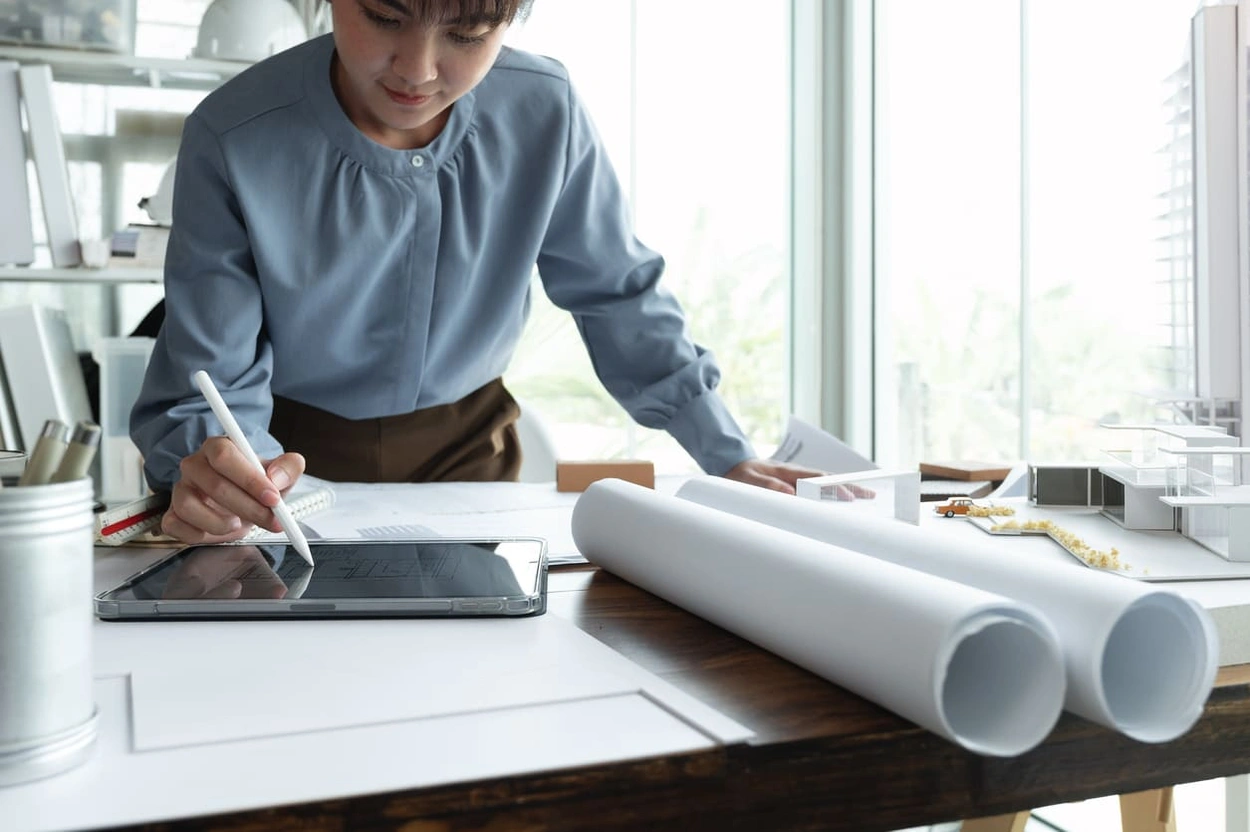
Technical Printing
|24 may 2023
The construction industry plays a significant role in Malaysia's economy, contributing 3-5% of the country's Gross Domestic Product (GDP) with an aim to achieve an average contribution of 6% to the Malaysian GDP every year. Building Information Modelling (BIM) can potentially enhance productivity and efficiency in this crucial sector. BIM is crucial in the the construction industry by offering a comprehensive digital representation of a building's physical and functional characteristics. The Malaysian government has recognised BIM's potential and is taking steps to promote its adoption. For example, BIM is used in waste management initiatives in the construction industry, particularly in five states: Pahang, Terengganu, Kuala Lumpur, Selangor, and Kelantan. However, with the increasing complexity of BIM outputs, excellent results require the right BIM printer. Accurate and detailed visual representations are non-negotiable but can be challenging.
This is where large format printing comes in. A BIM printer can dramatically improve the results. By being able to generate multiple wide and large format printouts, large format printers can considerably refine the BIM process. This article will explore the benefits of using a large format printer for BIM. It will be a worthwhile read for companies looking to adopt the method for their BIM-related processes.
Building Information Modelling, or BIM, is a digital process for creating and managing information about a building or structure. The process involves the creation of a virtual 3D model—or 3D render printing—that includes all pertinent information, such as design details, construction materials, and maintenance schedules.
BIM is a highly collaborative process that enables all the project participants to plan, design, and construct a building with one set of tools online. The process allows engineers, architects, real estate developers, contractors, manufacturers, and other construction professionals to access and share information through a mutually accessible online space. As a result, BIM has revolutionised the construction industry. It’s used at all stages of a building's life, including design, operation, and renovation.
Designers and architects can create detailed and accurate 3D renders and components using digital BIM software and a large format printer for BIM. But achieving superior results requires attention to several details, including:
- Testing the design
- Selecting the best printing technique
- Post-processing
- Quality control
In addition to these and other factors, success requires the right printing technology for BIM design files.
Why Should You Use a Large Format Printer for BIM in Malaysia?
A large format BIM printer offers many benefits throughout the BIM process.
1. Improves Collaboration and Communication Among Stakeholders
2. Enhances the Visualisation and Understanding of BIM Files
3. Creates Faster, More Accurate BIM-Related Documents
4. Facilitates Collaborative Creation of In-Depth Building Renders
How to Conduct Large Format Printing with a BIM Printer
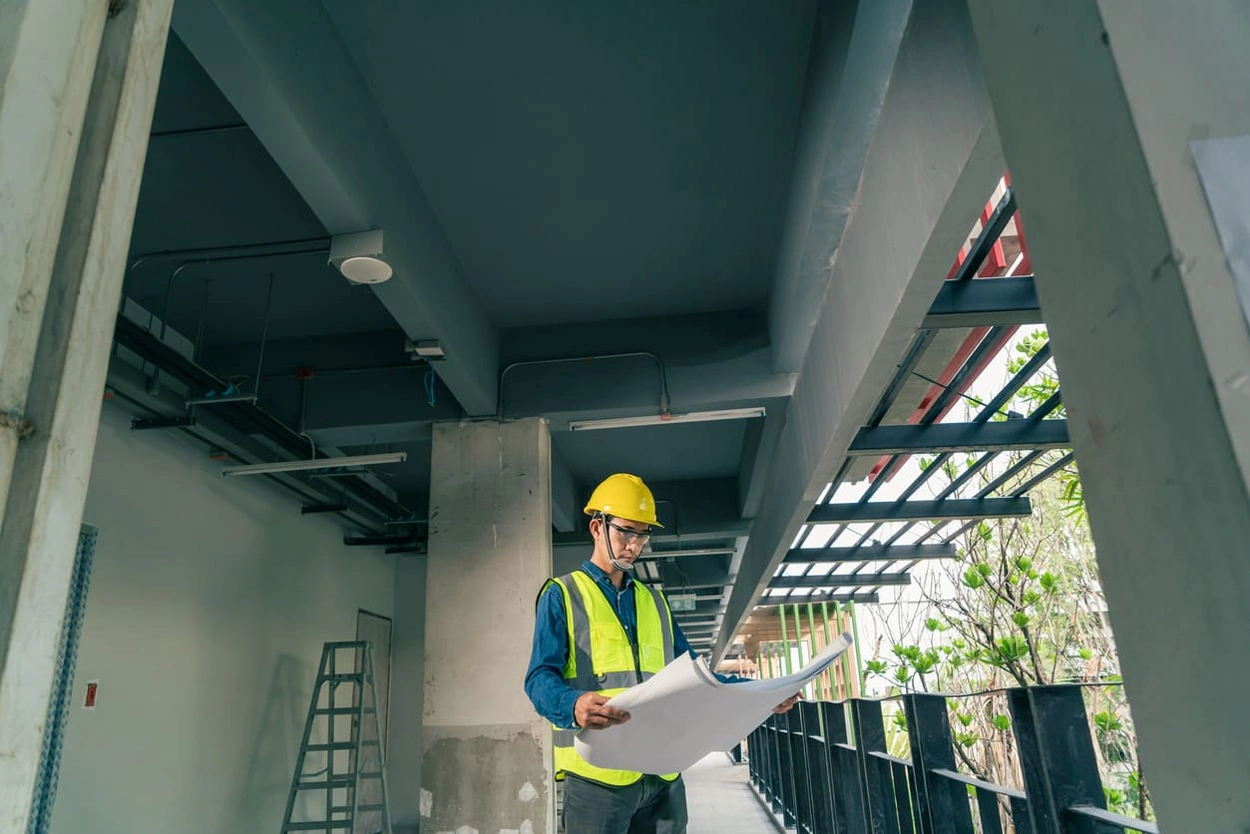
The BIM process facilitates the involvement of all stakeholders involved in the construction and lifecycle management of a building or structure. Working collaboratively and sharing data from concept to completion provides insight and improves accuracy.
Printing 2D Floor Plans, Elevations, and Sections
Printing In-Depth Visuals of Buildings
Printing Large-Scale Project Timelines and Schedules
Reach Out to HP Malaysia to Discuss Your Large Format Printer Needs
Download our eBook now and discover how innovation is streamlining workflows, producing prints of unmatched quality and increasing IT efficiency like never before.
Download eBook nowRelated printers
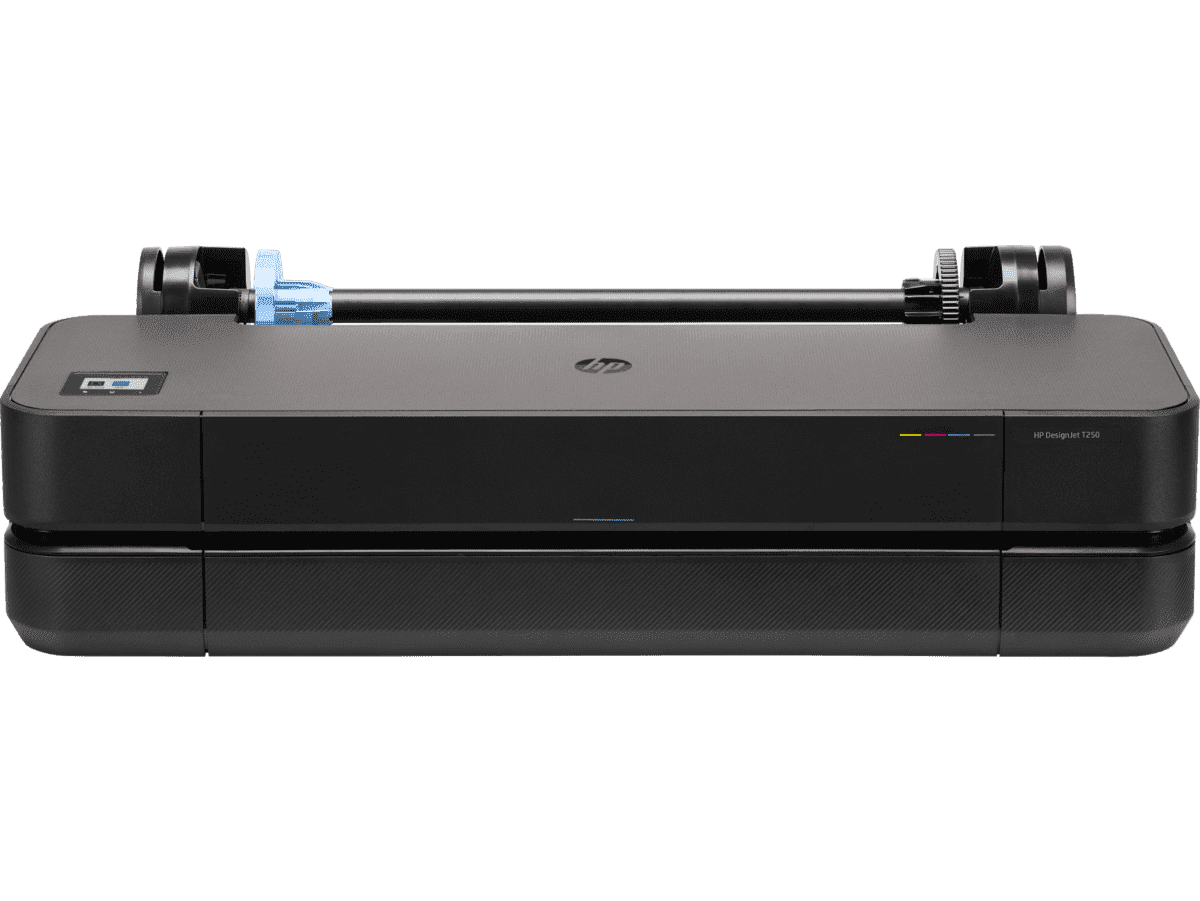
HP DesignJet T250 24-inch Compact Large Format A1 Plotter Printer + HP DesignJet T200/T600 Automatic Sheet Feeder + HP Installation Service for Design
A1 Colour HP DesignJet Large Format Printer, Perfect for Small Offices & Business Print 30 sec/page on A1; 76 A1 prints per hour USB, Ethernet, Wi-Fi Touchscreen; Automatic document feeder; Front USB flash drive port
MYR 5860.00MYR 4980.00Buy now
You Might Also Like
Cost-Effective Printing of Safety Plans and Wayfinding Information
How to Make Your Printer Faster for Urgent Blueprints
Paper-Saving Techniques When Printing AEC Blueprints
Plotter Care Habits That Keep Your Blueprints Job-Ready
How Scheduling Plotter Saves Electricity Costs
Remote Printing Guide to Increase AEC Workflow Efficiency
Cut AEC Operating Costs With HP Plotters
How HP Click Can Streamline Working Processes
6 Tips to Portfolio Printing for AEC Professionals

Blueprint Annotation Guide: How to Add Notes that Stay Sharp on Paper

How GIS Mapping Tools Support Large Format Printing for Civil Engineering

A Guide to Large Format Printing For Architects and Designers
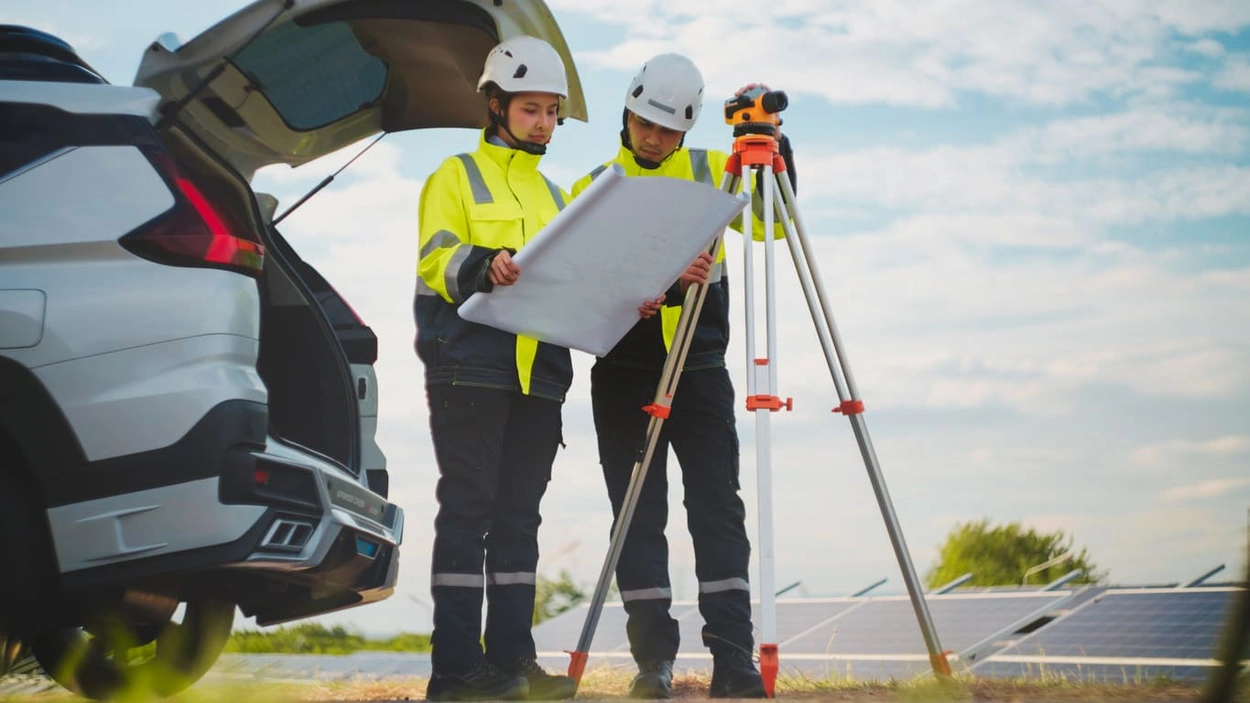
Printing Topographical Maps: What AEC Professionals Should Know

How to Use Large Format Plotters for Facility Management Floorplans

Common Mistakes & Fixes for Poor-Quality Blueprints

Common Print File Types for Blueprints Explained

Common Printing Mistakes: How to Avoid Costly Errors in Large Format Jobs

Digital vs. Paper: When to Print Architectural Drawings and When to Share Digitally

Best Practices for Marking Up and Revising Printed Architectural Plans

3 Keys to Print Emergency Maps That Enhance Disaster Response
Select Your Country/Region and Language
Close Country/Region Selector Dialog
Europe, Middle East and Africa
- Africa
- Afrique
- België
- Belgique
- Česká republika
- Danmark
- Deutschland
- Eesti
- España
- France
- Hrvatska
- Ireland
- Italia
- Latvija
- Lietuva
- Magyarország
- Middle East
- Nederland
- Nigeria
- Norge
- Österreich
- Polska
- Portugal
- România
- Saudi Arabia
- Slovenija
- Slovensko
- South Africa
- Suisse
- Suomi
- Sverige
- Switzerland
- Türkiye
- United Kingdom
- Ελλάδα
- България
- Казахстан
- Србија
- Україна
- ישראל
- الشرق الأوسط
- المملكة العربية السعودية
Country/Region :
Close Country/Region Selector
SelectedMalaysia
popUpSRBeginingLabelString
HP Worldwide
Select Your Country/Region and Language
Click or use the tab key to select your country
Close Country/Region Selector Dialog
- Africa
- Afrique
- América Central
- Argentina
- Asia Pacific
- Australia
- Bangladesh
- België
- Belgique
- Bolivia
- Brasil
- Canada
- Canada - Français
- Caribbean
- Česká republika
- Chile
- Colombia
- Danmark
- Deutschland
- Ecuador
- Eesti
- España
- France
- Hong Kong SAR
- Hrvatska
- India
- Indonesia
- Ireland
- Italia
- Latvija
- Lietuva
- Magyarország
- Malaysia
- México
- Middle East
- Nederland
- New Zealand
- Nigeria
- Norge
- Österreich
- Pakistan
- Paraguay
- Perú
- Philippines
- Polska
- Portugal
- Puerto Rico
- România
- Saudi Arabia
- Singapore
- Slovenija
- Slovensko
- South Africa
- Sri Lanka
- Suisse
- Suomi
- Sverige
- Switzerland
- Türkiye
- United Kingdom
- United States
- Uruguay
- Venezuela
- Việt Nam
- Ελλάδα
- България
- Казахстан
- Србија
- Україна
- ישראל
- الشرق الأوسط
- المملكة العربية السعودية
- ไทย
- 中华人民共和国
- 臺灣 地區
- 日本
- 香港特別行政區
- 한국
- Recalls |
- Product recycling |
- Accessibility |
- Privacy |
- Terms of use |
- Limited warranty statement |
- Use of Cookies |
©2026 HP Development Company, L.P. The information contained herein is subject to change without notice.