Blog
Building from the ground up – Equipping the modern workforce in AEC
Technical Printing
|16 jun 2021
In order to make the infrastructure we live and work in today ready for the demands of tomorrow, the construction industry has to step up.
The schools, hospitals, offices and homes of tomorrow need to be smarter, safer and more socially responsible, and that presents construction professionals with their greatest opportunity yet. How can they use technology to push the boundaries and ensure the quality of their vision?
It’s an imperative that has only increased since 2020. When COVID-19 broke out, Granite Construction determined that its standard process for onboarding craftworkers—a one-on-one meeting with an HR representative, often in a trailer—suddenly posed unacceptable risk. Within a week, the California-based company had rolled out a virtual onboarding system for all new hires.
Granite isn’t alone in deploying new technological solutions in response to the pandemic, of course. A digital boom in the historically tech-wary building sector has been one silver lining in a grim era. According to one recent report , three years’ worth of digital transformation was compressed into just nine months in 2020. The most dramatic growth involved technologies associated with social distancing: digital collaboration tools, virtual scanning, and wearables.
This trend shows every sign of continuing, particularly given the hazy timelines for the pandemic’s end. The result: exciting opportunities not only for contractors, but for the entire world.
Shaping the planet
The business case
Digital transformation can also improve contractors’ bottom lines. In a [report published in 2020,](https://www.mckinsey.com/~/media/McKinsey/Industries/Capital Projects and Infrastructure/Our Insights/The next normal in construction/The-next-normal-in-construction.pdf), McKinsey predicted huge gains for companies that embrace disruption in the construction sector. Up to $265 billion in new profit streams could be up for grabs over the coming decade.
So what could this disruption look like in practice? KP Reddy is particularly bullish on making construction more like product development. One example: Austin-based startup ICON creates custom homes using a 3D printer and proprietary materials.
But traditional business models also offer huge opportunities for innovation. Malcolm Jack , the chief information officer of Granite Construction, puts the benefits for digitalization into two categories: bidding and building.
On the bidding side, companies can mine information from past projects and combine it with external data about weather patterns, labor market trends, and other variables to develop more accurate proposals.
On the building side, they can use artificial intelligence and digital twins to build jobs virtually before breaking ground, allowing them to identify challenges ahead of time.
Recruitment can benefit from digitalization as well. Too often, younger people think of construction as “your grandfather’s industry,” says Matthew Abeles , the vice president of construction technology and innovation at US industry organization Associated Builders and Contractors (ABC). Committing to new ways of working can help companies overcome this perception.
Technology can also be used to help companies realize their diversity goals. Abeles reports that ABC’s webinars on innovation and diversity have seen extremely high levels of engagement. At Granite, the inclusive diversity team uses corporate communications tools like Yammer, Teams, the internal Granite news app, and SharePoint Online to foster community and amplify important conversations.
Walk, then run
While the benefits of digital transformation may be clear, the path to get there is often less obvious. Even the sheer volume of new technologies can be overwhelming.
At ABC, Abeles spends much of his time helping small- to mid-sized contractors wrap their heads around digitalization. He believes one smart first step is identifying low-cost, intuitive solutions that can add value to everyday processes.
For example: timing in and timing out. “This is a very simple process,” Abeles notes. “By simply digitizing that effort, which takes place on every job site in America, we can ensure a more profitable job site.” This straightforward change can have multiple benefits, including improved accuracy, greater insight into worker productivity and, while COVID persists, simplified management of mask and temperature-check protocols.
When embarking on digital initiatives, it’s important to get buy-in among staff at all levels. Finding technology champions among end users and celebrating small wins is vital, Abeles contends. As more employees see firsthand how tech can improve their jobs, support for digital transformation grows, he says. “It’s a nice snowball effect.”
Strategic planning is another must, according to Granite’s Malcolm Jack. This often requires a different approach to staffing and managing technology teams. “A lot of IT departments will stay in firefighter mode, where they wait by the phone for the fire call to come in,” he says. “That’s not really getting ahead of it. If you want to … start thinking about some of these more advanced technologies and how you can really help the business, then you’ve got to have a plan.”
For smaller companies in particular, it’s also important to seek out external partners in order to avoid reinventing the wheel, according to Sydney-based BIM consultant Maciej Wypych. But even with the best advisors and plans, company leaders need to understand that failure is part of the process. And even when particular programs succeed, it’s vital to keep an eye out for what’s next. “The way things are done in the technology space, they’re changing year by year, or month to month,” he says. “So you have to be prepared to adjust.”
Contractors will be responsible for the biggest challenge on the planet – to make it more sustainable and equitable, ready for the challenges of today. To get there, contractors need the tools to make this transformation of our built environment a reality.
HP large format print technology gives contractors a way to collaborate with colleagues seamlessly, securely, and with sustainability in mind. This makes HP large format print an essential tool for the ultimate task ahead: to rebuild the world more sustainably and help to achieve a just, inclusive and diverse living and working environment.
Let’s create a better world, together.
Speak to an HP representative
Related printers
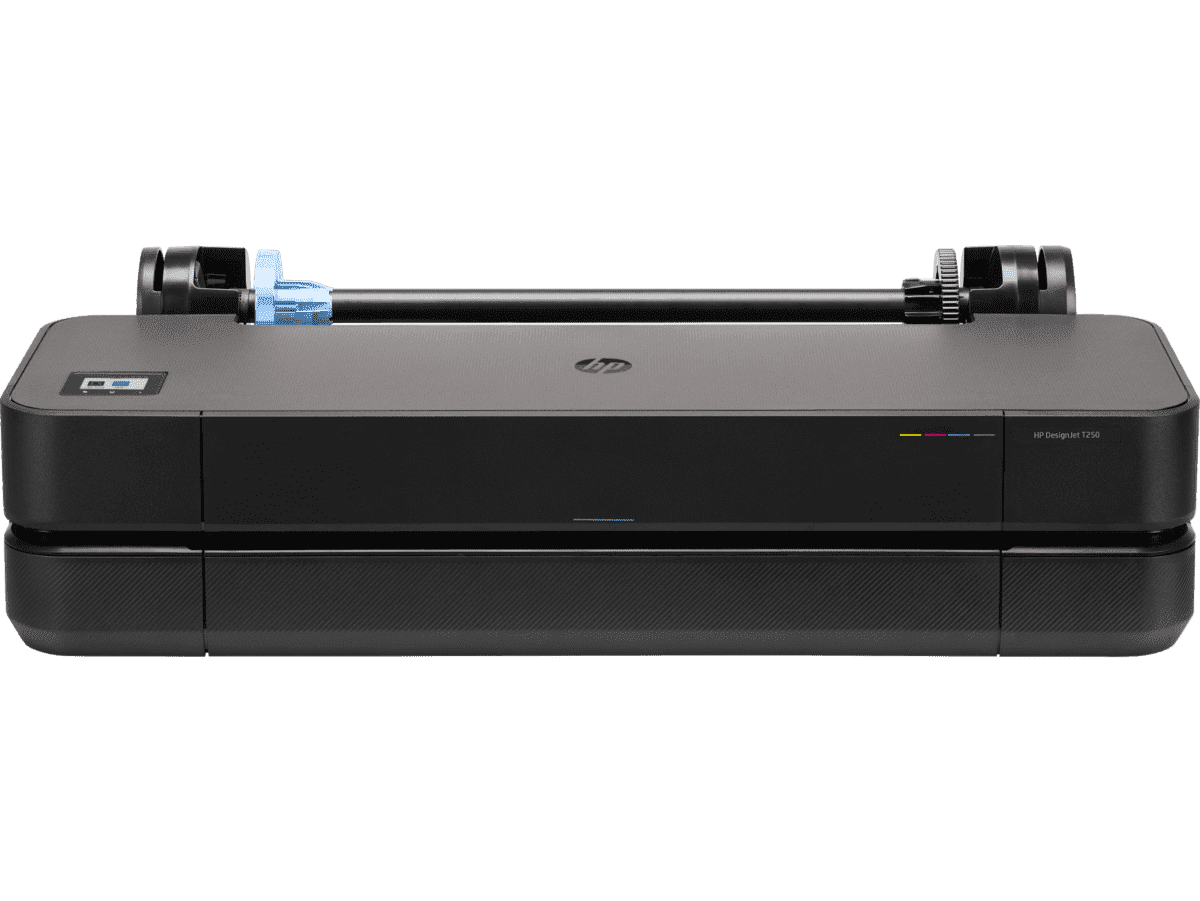
HP DesignJet T250 24-inch Compact Large Format A1 Plotter Printer + HP DesignJet T200/T600 Automatic Sheet Feeder + HP Installation Service for Design
A1 Colour HP DesignJet Large Format Printer, Perfect for Small Offices & Business Print 30 sec/page on A1; 76 A1 prints per hour USB, Ethernet, Wi-Fi Touchscreen; Automatic document feeder; Front USB flash drive port
MYR 5860.00MYR 4980.00Buy now
You Might Also Like
Cost-Effective Printing of Safety Plans and Wayfinding Information
How to Make Your Printer Faster for Urgent Blueprints
Paper-Saving Techniques When Printing AEC Blueprints
Plotter Care Habits That Keep Your Blueprints Job-Ready
How Scheduling Plotter Saves Electricity Costs
Remote Printing Guide to Increase AEC Workflow Efficiency
Cut AEC Operating Costs With HP Plotters
How HP Click Can Streamline Working Processes
6 Tips to Portfolio Printing for AEC Professionals

Blueprint Annotation Guide: How to Add Notes that Stay Sharp on Paper

How GIS Mapping Tools Support Large Format Printing for Civil Engineering
A Guide to Large Format Printing For Architects and Designers
Printing Topographical Maps: What AEC Professionals Should Know
How to Use Large Format Plotters for Facility Management Floorplans

Common Mistakes & Fixes for Poor-Quality Blueprints

Common Print File Types for Blueprints Explained

Common Printing Mistakes: How to Avoid Costly Errors in Large Format Jobs
Digital vs. Paper: When to Print Architectural Drawings and When to Share Digitally
Best Practices for Marking Up and Revising Printed Architectural Plans
3 Keys to Print Emergency Maps That Enhance Disaster Response
Select Your Country/Region and Language
Close Country/Region Selector Dialog
Europe, Middle East and Africa
- Africa
- Afrique
- België
- Belgique
- Česká republika
- Danmark
- Deutschland
- Eesti
- España
- France
- Hrvatska
- Ireland
- Italia
- Latvija
- Lietuva
- Magyarország
- Middle East
- Nederland
- Nigeria
- Norge
- Österreich
- Polska
- Portugal
- România
- Saudi Arabia
- Slovenija
- Slovensko
- South Africa
- Suisse
- Suomi
- Sverige
- Switzerland
- Türkiye
- United Kingdom
- Ελλάδα
- България
- Казахстан
- Србија
- Україна
- ישראל
- الشرق الأوسط
- المملكة العربية السعودية
Country/Region :
Close Country/Region Selector
SelectedMalaysia
popUpSRBeginingLabelString
HP Worldwide
Select Your Country/Region and Language
Click or use the tab key to select your country
Close Country/Region Selector Dialog
- Africa
- Afrique
- América Central
- Argentina
- Asia Pacific
- Australia
- Bangladesh
- België
- Belgique
- Bolivia
- Brasil
- Canada
- Canada - Français
- Caribbean
- Česká republika
- Chile
- Colombia
- Danmark
- Deutschland
- Ecuador
- Eesti
- España
- France
- Hong Kong SAR
- Hrvatska
- India
- Indonesia
- Ireland
- Italia
- Latvija
- Lietuva
- Magyarország
- Malaysia
- México
- Middle East
- Nederland
- New Zealand
- Nigeria
- Norge
- Österreich
- Pakistan
- Paraguay
- Perú
- Philippines
- Polska
- Portugal
- Puerto Rico
- România
- Saudi Arabia
- Singapore
- Slovenija
- Slovensko
- South Africa
- Sri Lanka
- Suisse
- Suomi
- Sverige
- Switzerland
- Türkiye
- United Kingdom
- United States
- Uruguay
- Venezuela
- Việt Nam
- Ελλάδα
- България
- Казахстан
- Србија
- Україна
- ישראל
- الشرق الأوسط
- المملكة العربية السعودية
- ไทย
- 中华人民共和国
- 臺灣 地區
- 日本
- 香港特別行政區
- 한국
- Recalls |
- Product recycling |
- Accessibility |
- Privacy |
- Terms of use |
- Limited warranty statement |
- Use of Cookies |
©2026 HP Development Company, L.P. The information contained herein is subject to change without notice.