Blog
Understanding Large Format Plotter Ink Types: Aqueous Dye And Aqueous Pigment

Technical Printing
|16 Jun 2021
In the architecture, engineering, and construction (AEC) industry, large format printing is an everyday task. Blueprints, technical drawings, and renderings need to be reproduced accurately and reliably using the right type of printing.
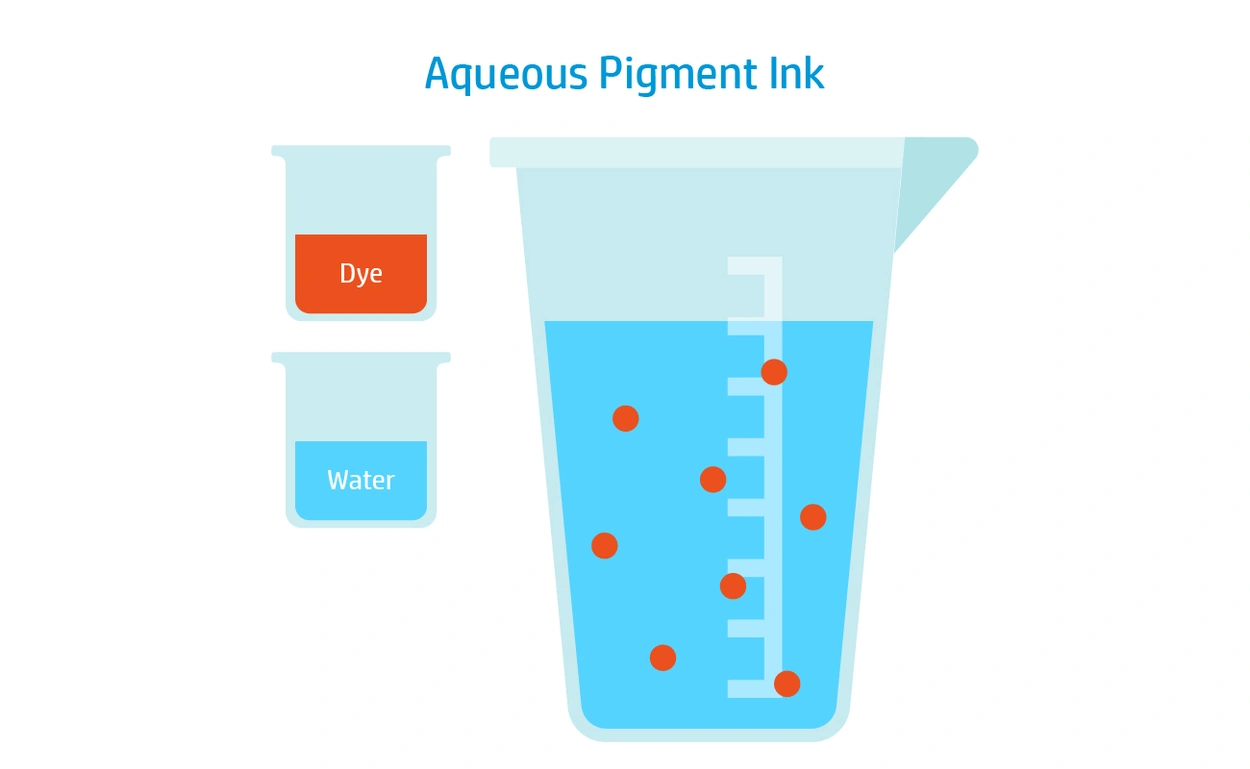
The most common printer in the AEC office is the aqueous inkjet printer: A larger, commercial version of the home desktop printer. Aqueous ink refers to any ink that uses water as a carrier fluid, which evaporates as the ink dries. Only a small amount of nontoxic passive components are added to the ink, so this allows for safe, nontoxic, and environmentally friendly printing in the office. Aqueous inkjet printing can be further differentiated by the ink types used: aqueous dye ink and aqueous pigment ink. Which to use simply depends on what you will be printing.
The golden rule is to never waste any time. The faster the print job, more time can be spent on core activities. Two areas to look out for, whatever architectural printer you choose, are:
- The time the printer takes to warm up from standby mode to begin printing.
- The time it takes to complete the first and subsequent prints, known as “throughput time”.
Speed is often listed in terms of images per minute (IPM) and pages per minute (PPM). For large format printers, PPM is typically given in terms of A1 sheets, as opposed to A4/letter sheets in standard printers.
Aqueous dye ink: the standard for plotters
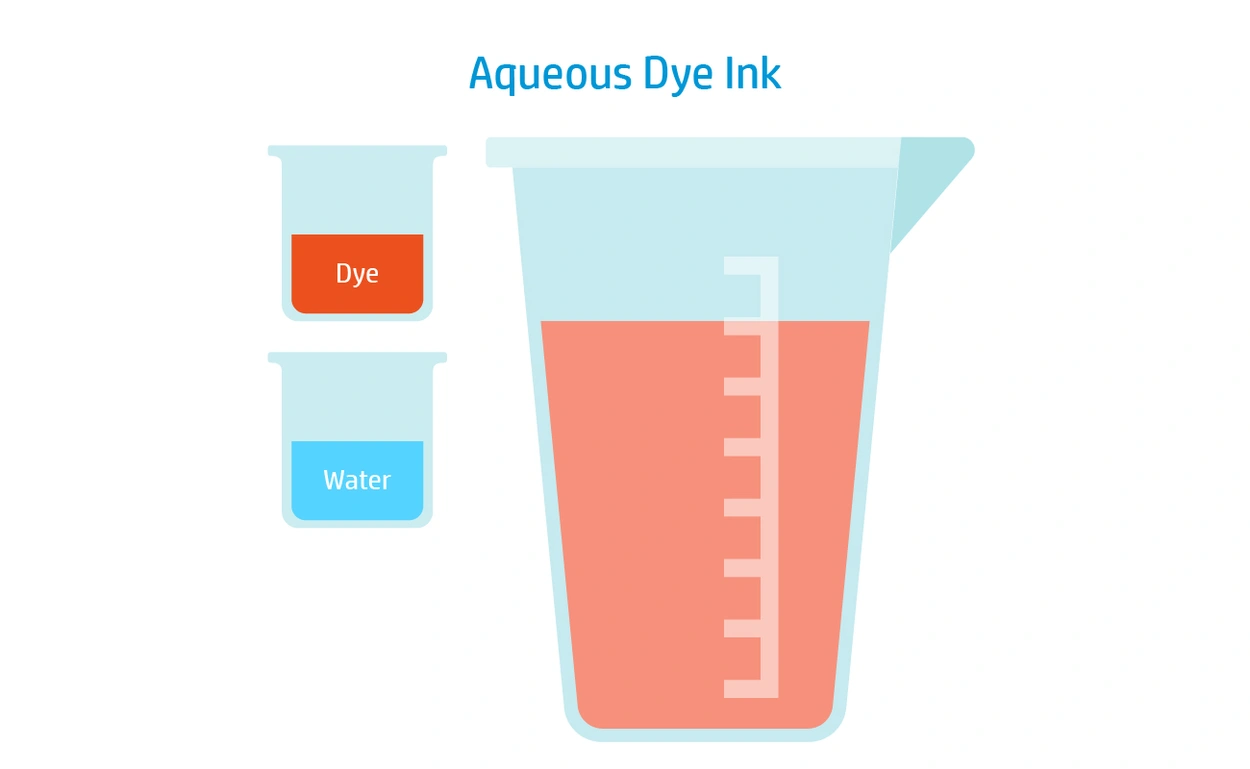
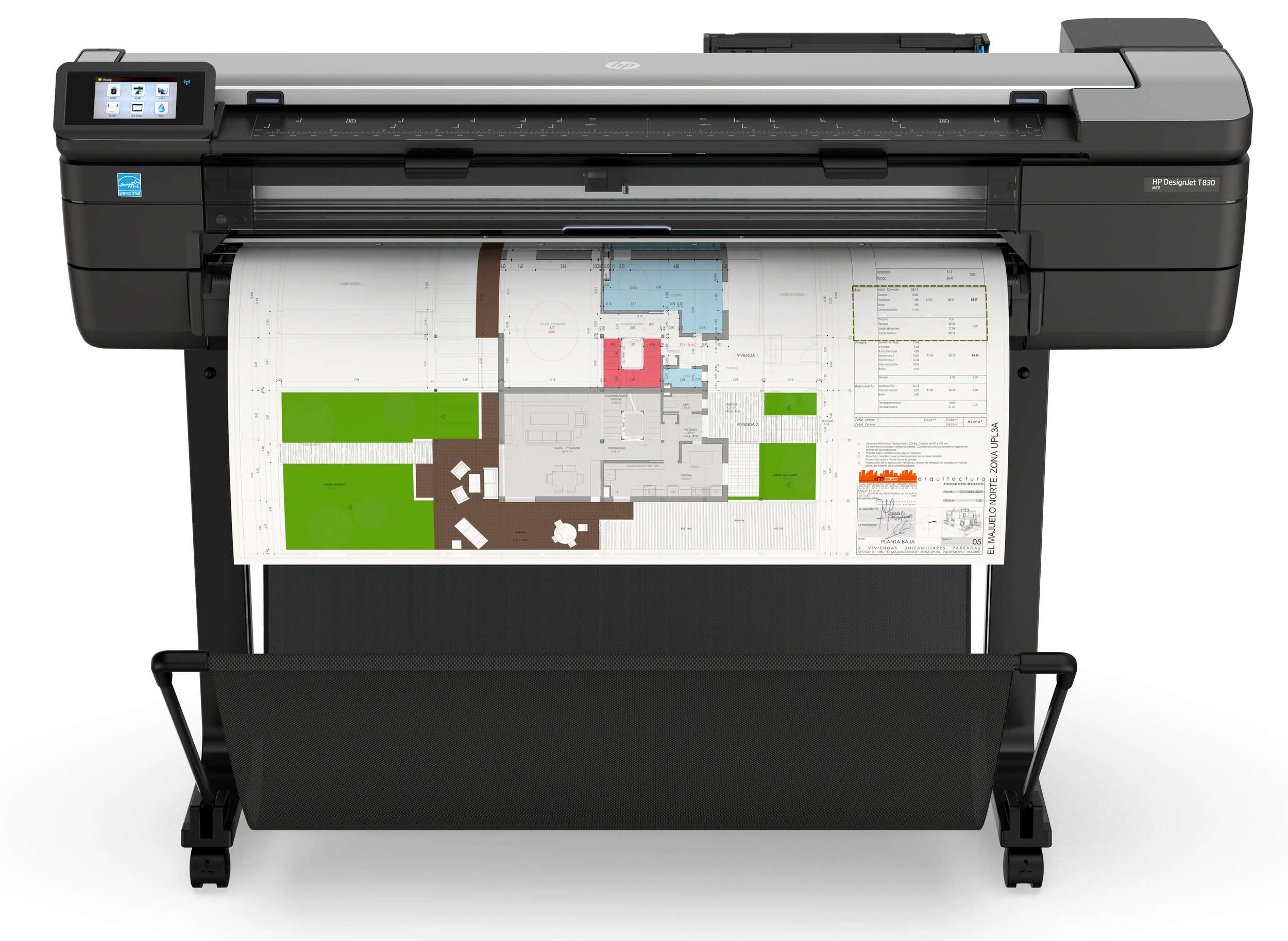
In aqueous dye based ink, the dye acts as a colourant that is soluble in water. The ink is then absorbed by the print media (usually paper) during printing. Dye inkjet printers are able to produce extremely fine lines—akin to 0.2mm pencil lines in drafting—and can output detailed technical drawings with high precision. Hence, the typical plotter printer in the AEC office uses dye ink.
Advantages of a dye ink printer
Makes work much easier
Aqueous pigment ink: ideal for presentations
No project is safe from delays. There are multiple reasons for downtime, from remoteness or inaccessibility of field sites, or sudden bad weather. Connectivity in such places may be fair at the best of times, but it can disappear in a second. In such situations, hard copy is always reliable and dependable.
Today, large format printers are more cost-effective than ever, producing documents with higher resolution and colour fidelity. The right ones can help you do more than you can imagine.
Unfortunately, dye and pigment inks are not interchangeable with their respective printers. You cannot use pigment ink in a dye ink printer or vice versa, as the print head is optimised differently for each ink type – and you may damage your print head by doing so.
How aqueous-dye and aqueous-pigment printers complement each other
It’s common to find both aqueous-dye and aqueous-pigment inkjet printers in the AEC office, as they each have their unique and complementary applications.
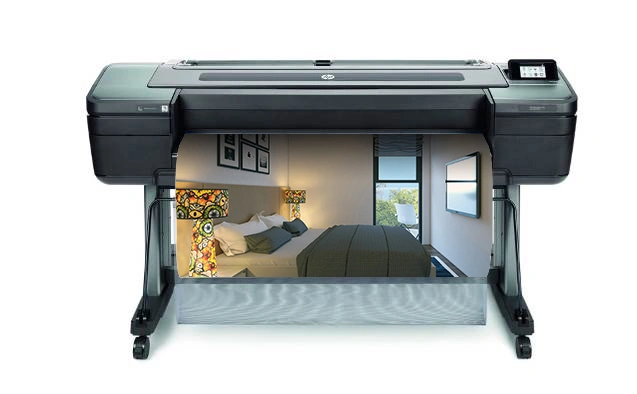
The dye-based plotter printer is an essential piece of equipment for AECs, which rely on plans and drawings with highly accurate detail. On the other hand, a pigment-based printer can be invaluable if you need larger format and higher-resolution outputs, from GIS maps to gallery-quality renderings.
If you have the budget and the space, invest in both to help grow your business. By getting a reliable dye-based plotter printer with strong print management capabilities on site, teams can work more efficiently and reduce ambiguity while delivering projects. Additionally, by using a pigment-based printer to present maps and renderings to clients, you can further enhance your brand’s reputation for quality.
Speak to an HP representative
- Wilhelm Imaging Research, HP DesignJet Z9+ Printer – Preliminary WIR Print Permanence Ratings, 8 February 2020
- 88% of prints are for review and collaboration on plain media, based on a survey conducted by HP and HP customer interviews.
You Might Also Like
Cost-Effective Printing of Safety Plans and Wayfinding Information
How to Make Your Printer Faster for Urgent Blueprints
Paper-Saving Techniques When Printing AEC Blueprints
Plotter Care Habits That Keep Your Blueprints Job-Ready
How Scheduling Plotter Saves Electricity Costs
Remote Printing Guide to Increase AEC Workflow Efficiency
Cut AEC Operating Costs With HP Plotters
How HP Click Can Streamline Working Processes
6 Tips to Portfolio Printing for AEC Professionals

Blueprint Annotation Guide: How to Add Notes that Stay Sharp on Paper

How GIS Mapping Tools Support Large Format Printing for Civil Engineering

A Guide to Large Format Printing For Architects and Designers
Printing Topographical Maps: What AEC Professionals Should Know

How to Use Large Format Plotters for Facility Management Floorplans

Common Mistakes & Fixes for Poor-Quality Blueprints

Common Print File Types for Blueprints Explained

Common Printing Mistakes: How to Avoid Costly Errors in Large Format Jobs

Digital vs. Paper: When to Print Architectural Drawings and When to Share Digitally

Best Practices for Marking Up and Revising Printed Architectural Plans

3 Keys to Print Emergency Maps That Enhance Disaster Response
Select Your Country/Region and Language
Close Country/Region Selector Dialog
Europe, Middle East and Africa
- Africa
- Afrique
- België
- Belgique
- Česká republika
- Danmark
- Deutschland
- Eesti
- España
- France
- Hrvatska
- Ireland
- Italia
- Latvija
- Lietuva
- Magyarország
- Middle East
- Nederland
- Nigeria
- Norge
- Österreich
- Polska
- Portugal
- România
- Saudi Arabia
- Slovenija
- Slovensko
- South Africa
- Suisse
- Suomi
- Sverige
- Switzerland
- Türkiye
- United Kingdom
- Ελλάδα
- България
- Казахстан
- Србија
- Україна
- ישראל
- الشرق الأوسط
- المملكة العربية السعودية
Country/Region :
Close Country/Region Selector
SelectedMalaysia
popUpSRBeginingLabelString
HP Worldwide
Select Your Country/Region and Language
Click or use the tab key to select your country
Close Country/Region Selector Dialog
- Africa
- Afrique
- América Central
- Argentina
- Asia Pacific
- Australia
- Bangladesh
- België
- Belgique
- Bolivia
- Brasil
- Canada
- Canada - Français
- Caribbean
- Česká republika
- Chile
- Colombia
- Danmark
- Deutschland
- Ecuador
- Eesti
- España
- France
- Hong Kong SAR
- Hrvatska
- India
- Indonesia
- Ireland
- Italia
- Latvija
- Lietuva
- Magyarország
- Malaysia
- México
- Middle East
- Nederland
- New Zealand
- Nigeria
- Norge
- Österreich
- Pakistan
- Paraguay
- Perú
- Philippines
- Polska
- Portugal
- Puerto Rico
- România
- Saudi Arabia
- Singapore
- Slovenija
- Slovensko
- South Africa
- Sri Lanka
- Suisse
- Suomi
- Sverige
- Switzerland
- Türkiye
- United Kingdom
- United States
- Uruguay
- Venezuela
- Việt Nam
- Ελλάδα
- България
- Казахстан
- Србија
- Україна
- ישראל
- الشرق الأوسط
- المملكة العربية السعودية
- ไทย
- 中华人民共和国
- 臺灣 地區
- 日本
- 香港特別行政區
- 한국
- Recalls |
- Product recycling |
- Accessibility |
- Privacy |
- Terms of use |
- Limited warranty statement |
- Use of Cookies |
©2026 HP Development Company, L.P. The information contained herein is subject to change without notice.