Blog
Rate Analysis In Construction: Your Foundation To A Profitable, Scalable Business
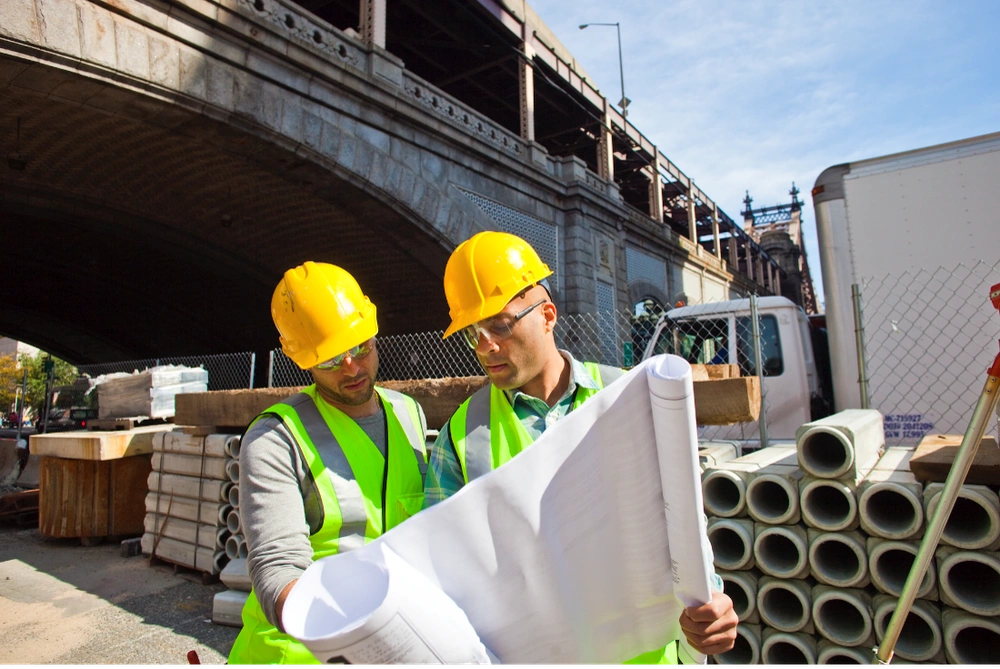
Technical Printing
|16 Jun 2021
The construction industry is the largest in the world, representing 13% of global GDP and presenting a potential $265 billion in annual global profit. Whether large or small, your business’s growth depends on estimating costs and productivity for every project through accurate rate analysis.
What is rate analysis?
Factors to consider in rate analysis
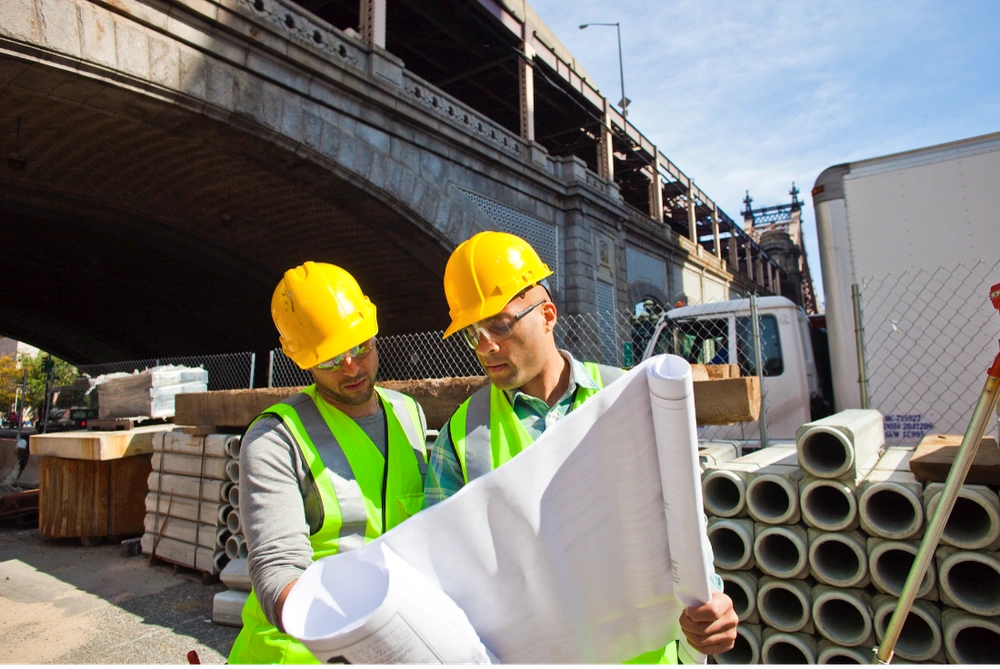
Rate analysis can be applied to all levels of construction work, from concrete work and plastering to entire building projects. Implementing rate analysis even on smaller jobs can be revelatory – in the cost estimating process, business owners tend to underestimate the amount of labour required in addition to variable costs.
With this in mind, when starting on rate analysis calculation, there are five main factors to consider:
1. Material costs
2. Labour costs
3. Equipment costs
4. Overheads
5. Contractor’s profit
Tools for rate analysis: construction estimating software and more
Rate analysis can be performed on projects as straightforward as plastering and painting or as complex as building a house, with tools to match. To ensure you have the accurate and up-to-date rates, you may also want to invest in a construction cost database.
Rate analysis using Excel
Rate analysis using construction estimating software
Rate analysis using BIM
Take the next step towards scalability
Rate analysis is the foundation for any construction business, regardless of size, and you can start anytime with specialised software or even a simple spreadsheet. Getting an accurate picture of your costs and profit goals will help you to work more efficiently, unveil opportunities with clients and partners, and ensure long-term growth.
Download our guide on how to reduce delays and streamline your project workflow through precision printing of your technical drawings.
You Might Also Like
Why Blueprints Beat Screens for On-Site Work
Showcasing Sustainability to Win Green Projects
How a Fast Plotter Helps Filipino AECs Win More Contracts

How HP Plotters Reduce Printing Costs

Differentiating Services With High‑Quality Presentation Prints

Architectural Board Printing: Best Practices for Professional Results

How to Print Site Context Diagrams for Presentation Boards

How to Print With Lineweight Control for Structural Drawings

A0 Size Printers: Best Models and When to Use Them
How Large Format Plotters Help Reduce Rework on Construction Sites

Difference Between Digital Printing Posters and Large Format: What You Need to Know

3 Paper Waste Reduction Strategies in Large Format Printing

Top 5 Printers for Artists: High-Quality Prints for Fine Art

What Is a Wide Format Printer?: A Beginner’s Guide to Large-Scale Printing

Preparing Files for Large Format Printing: A Step-by-Step Guide
Best Printers for Illustration Prints: Top Picks for Artists and Designers

How to Optimise DPI in Photoshop for Large Format Prints

3 Best Practices for Large Document Conversion for Print
Understanding As-Built Drawings and Why They Matter

3 Ways Large Format Plotters Streamline Construction Submittals
Select Your Country/Region and Language
Close Country/Region Selector Dialog
Europe, Middle East and Africa
- Africa
- Afrique
- België
- Belgique
- Česká republika
- Danmark
- Deutschland
- Eesti
- España
- France
- Hrvatska
- Ireland
- Italia
- Latvija
- Lietuva
- Magyarország
- Middle East
- Nederland
- Nigeria
- Norge
- Österreich
- Polska
- Portugal
- România
- Saudi Arabia
- Slovenija
- Slovensko
- South Africa
- Suisse
- Suomi
- Sverige
- Switzerland
- Türkiye
- United Kingdom
- Ελλάδα
- България
- Казахстан
- Србија
- Україна
- ישראל
- الشرق الأوسط
- المملكة العربية السعودية
Country/Region :
Close Country/Region Selector
SelectedPhilippines
popUpSRBeginingLabelString
HP Worldwide
Select Your Country/Region and Language
Click or use the tab key to select your country
Close Country/Region Selector Dialog
- Africa
- Afrique
- América Central
- Argentina
- Asia Pacific
- Australia
- Bangladesh
- België
- Belgique
- Bolivia
- Brasil
- Canada
- Canada - Français
- Caribbean
- Česká republika
- Chile
- Colombia
- Danmark
- Deutschland
- Ecuador
- Eesti
- España
- France
- Hong Kong SAR
- Hrvatska
- India
- Indonesia
- Ireland
- Italia
- Latvija
- Lietuva
- Magyarország
- Malaysia
- México
- Middle East
- Nederland
- New Zealand
- Nigeria
- Norge
- Österreich
- Pakistan
- Paraguay
- Perú
- Philippines
- Polska
- Portugal
- Puerto Rico
- România
- Saudi Arabia
- Singapore
- Slovenija
- Slovensko
- South Africa
- Sri Lanka
- Suisse
- Suomi
- Sverige
- Switzerland
- Türkiye
- United Kingdom
- United States
- Uruguay
- Venezuela
- Việt Nam
- Ελλάδα
- България
- Казахстан
- Србија
- Україна
- ישראל
- الشرق الأوسط
- المملكة العربية السعودية
- ไทย
- 中华人民共和国
- 臺灣 地區
- 日本
- 香港特別行政區
- 한국
- Recalls |
- Product recycling |
- Accessibility |
- Privacy |
- Terms of use |
- Limited warranty statement |
- Use of cookies |
©2026 HP Development Company, L.P. The information contained herein is subject to change without notice.