Blog
5 Reasons Blueprints Are Important in the Construction Sector

Technical Printing
|30 Aug 2024
Blueprints are essential for the completion of any construction project, from residential homes to large-scale infrastructure. They serve as detailed roadmaps that translate complex architectural designs into actionable plans that guide every aspect of the building process to ensure each detail is accurately depicted. Blueprints act as a common language that ensures everyone working on the project, from the project manager to on-site subcontractors, stays aligned with the project's objectives and specifications.
In this article, we'll explore five compelling purposes that illustrate blueprint importance in construction. You'll learn how they:
- Contribute to project efficiency
- Support compliance with regulatory standards
- Assist in delivering successful outcomes in construction
Understanding the Importance of Blueprints in Construction
For individuals outside the construction industry, blueprints are difficult to understand. They're meticulously detailed representations of all the elements required to complete a project. But anyone planning to participate in the undertaking of a construction project needs to know how to read blueprints.
What Is a Blueprint, and Why Is It Crucial?
Blueprint Importance in Construction Projects
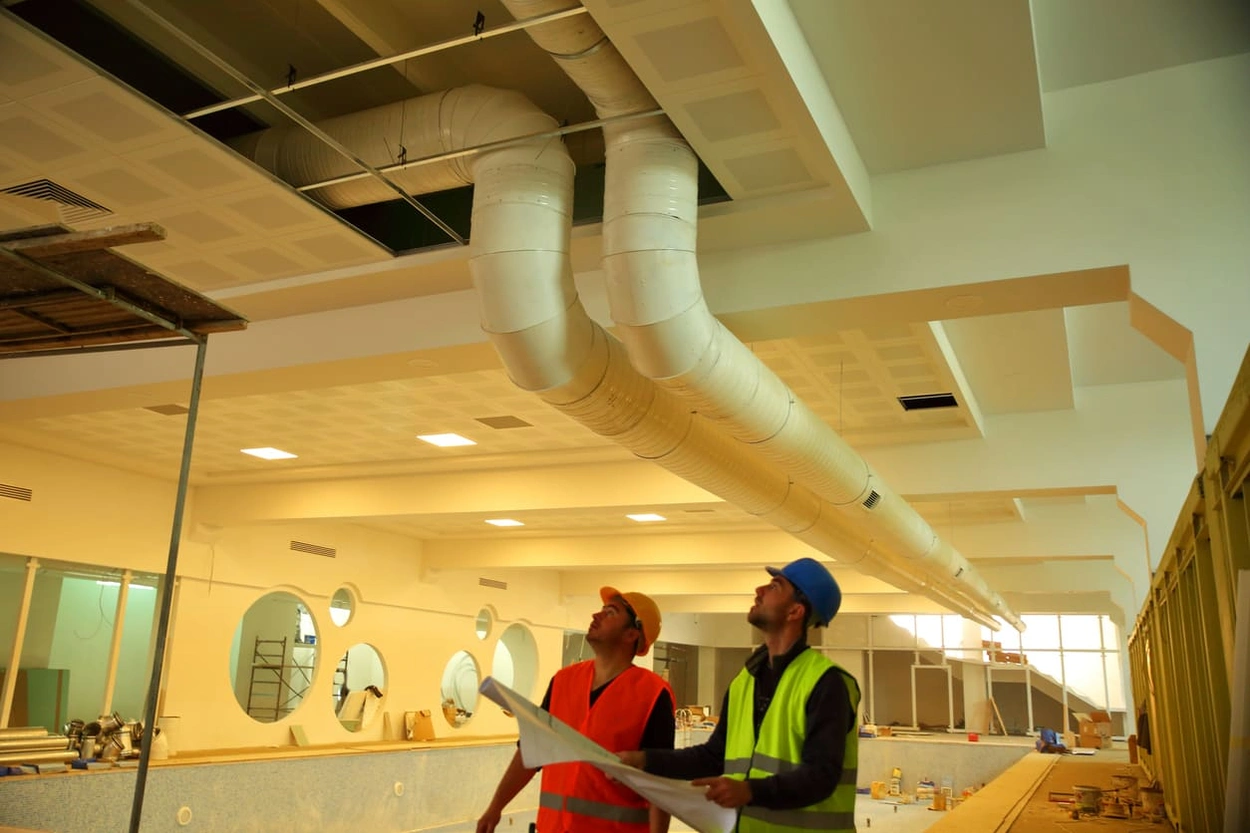
A blueprint for construction is a vital part of accurately planning construction projects. They include the specifications of a project and the details for implementation. With realistic details covering the materials, procedures, and principles needed for the project, blueprint importance in construction can't be overstated.
Ensuring Accuracy and Precision
Facilitating Clear Communication Among Teams
Reducing Costly Errors and Rework
Supporting Compliance with Regulatory Standards
Enhancing Project Efficiency and Workflow
Blueprints in the Construction Sector in Malaysia
As the construction sector in Malaysia embraces the digital revolution, integrating digital tools is a crucial part of construction planning and design. Digital tools and cloud-based platforms that allow the instant sharing of product data improve collaboration and efficiency to contribute to the nation's infrastructure growth. Accurate blueprints play a vital role in enhancing collaboration to enable teams to work together regardless of their specialisation or location.
**The Role of Blueprints in Malaysia's Construction Industry **
Successful Projects Using Blueprints in Malaysia
The Indispensable Role of Blueprints in Construction
While digital technologies are changing the face of construction, blueprints provide the underlying foundation to supply relevant information for building all types of structures. The best plotters for AEC firms enable construction professionals to produce blueprints with the detail and clarity necessary to develop complex and dynamic construction projects that meet changing regulations and building codes. As a leader in highly technical and collaborative printer/plotters, HP understands blueprint importance in construction. We are here to help AEC firms adapt to the digital age, so contact us to discuss your AEC printing needs.
Related printers
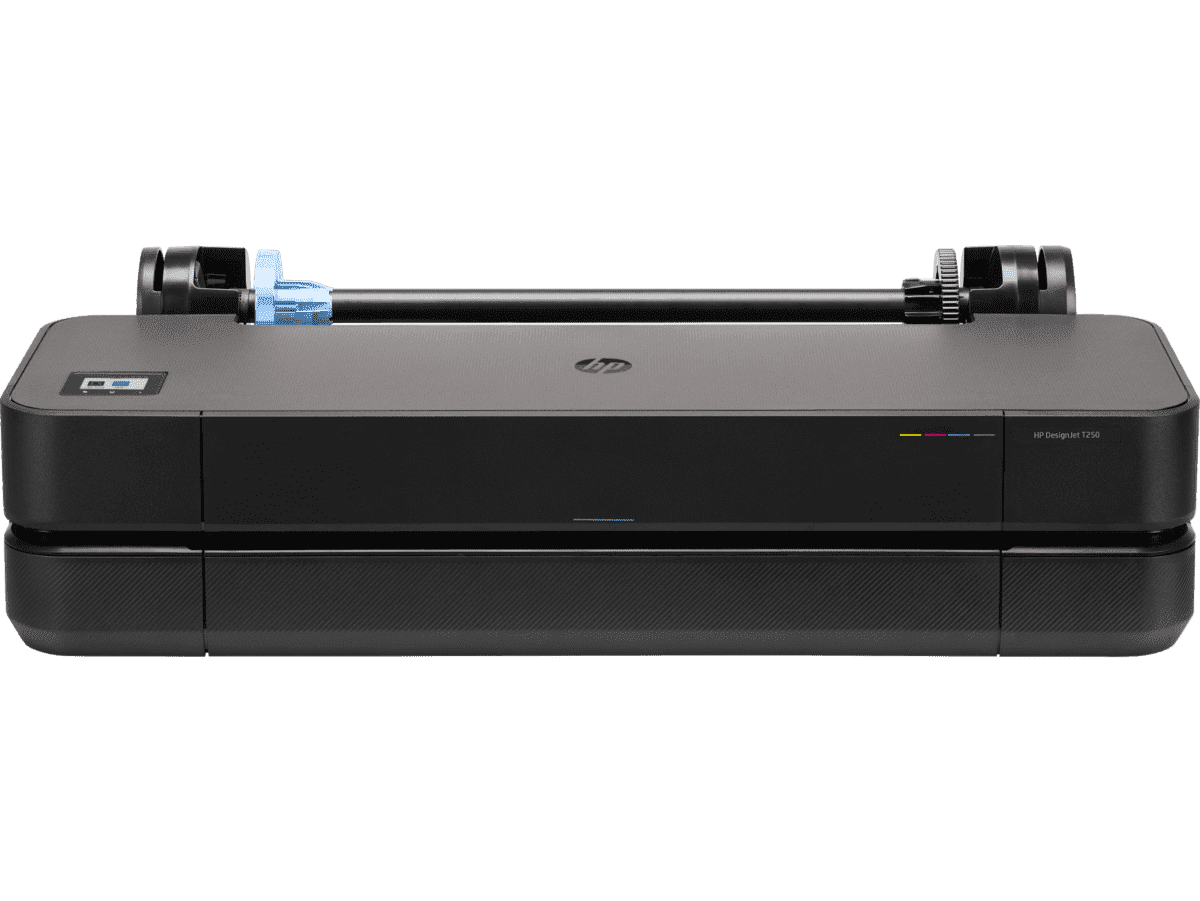
HP DesignJet T250 24-inch Compact Large Format A1 Plotter Printer + HP DesignJet T200/T600 Automatic Sheet Feeder + HP Installation Service for Design
A1 Colour HP DesignJet Large Format Printer, Perfect for Small Offices & Business Print 30 sec/page on A1; 76 A1 prints per hour USB, Ethernet, Wi-Fi Touchscreen; Automatic document feeder; Front USB flash drive port
MYR 5860.00MYR 4980.00Buy now
You Might Also Like
Cost-Effective Printing of Safety Plans and Wayfinding Information
How to Make Your Printer Faster for Urgent Blueprints
Paper-Saving Techniques When Printing AEC Blueprints
Plotter Care Habits That Keep Your Blueprints Job-Ready
How Scheduling Plotter Saves Electricity Costs
Remote Printing Guide to Increase AEC Workflow Efficiency
Cut AEC Operating Costs With HP Plotters
How HP Click Can Streamline Working Processes
6 Tips to Portfolio Printing for AEC Professionals

Blueprint Annotation Guide: How to Add Notes that Stay Sharp on Paper

How GIS Mapping Tools Support Large Format Printing for Civil Engineering

A Guide to Large Format Printing For Architects and Designers

Printing Topographical Maps: What AEC Professionals Should Know

How to Use Large Format Plotters for Facility Management Floorplans

Common Mistakes & Fixes for Poor-Quality Blueprints

Common Print File Types for Blueprints Explained

Common Printing Mistakes: How to Avoid Costly Errors in Large Format Jobs

Digital vs. Paper: When to Print Architectural Drawings and When to Share Digitally

Best Practices for Marking Up and Revising Printed Architectural Plans

3 Keys to Print Emergency Maps That Enhance Disaster Response
Select Your Country/Region and Language
Close Country/Region Selector Dialog
Europe, Middle East and Africa
- Africa
- Afrique
- België
- Belgique
- Česká republika
- Danmark
- Deutschland
- Eesti
- España
- France
- Hrvatska
- Ireland
- Italia
- Latvija
- Lietuva
- Magyarország
- Middle East
- Nederland
- Nigeria
- Norge
- Österreich
- Polska
- Portugal
- România
- Saudi Arabia
- Slovenija
- Slovensko
- South Africa
- Suisse
- Suomi
- Sverige
- Switzerland
- Türkiye
- United Kingdom
- Ελλάδα
- България
- Казахстан
- Србија
- Україна
- ישראל
- الشرق الأوسط
- المملكة العربية السعودية
Country/Region :
Close Country/Region Selector
SelectedMalaysia
popUpSRBeginingLabelString
HP Worldwide
Select Your Country/Region and Language
Click or use the tab key to select your country
Close Country/Region Selector Dialog
- Africa
- Afrique
- América Central
- Argentina
- Asia Pacific
- Australia
- Bangladesh
- België
- Belgique
- Bolivia
- Brasil
- Canada
- Canada - Français
- Caribbean
- Česká republika
- Chile
- Colombia
- Danmark
- Deutschland
- Ecuador
- Eesti
- España
- France
- Hong Kong SAR
- Hrvatska
- India
- Indonesia
- Ireland
- Italia
- Latvija
- Lietuva
- Magyarország
- Malaysia
- México
- Middle East
- Nederland
- New Zealand
- Nigeria
- Norge
- Österreich
- Pakistan
- Paraguay
- Perú
- Philippines
- Polska
- Portugal
- Puerto Rico
- România
- Saudi Arabia
- Singapore
- Slovenija
- Slovensko
- South Africa
- Sri Lanka
- Suisse
- Suomi
- Sverige
- Switzerland
- Türkiye
- United Kingdom
- United States
- Uruguay
- Venezuela
- Việt Nam
- Ελλάδα
- България
- Казахстан
- Србија
- Україна
- ישראל
- الشرق الأوسط
- المملكة العربية السعودية
- ไทย
- 中华人民共和国
- 臺灣 地區
- 日本
- 香港特別行政區
- 한국
- Recalls |
- Product recycling |
- Accessibility |
- Privacy |
- Terms of use |
- Limited warranty statement |
- Use of Cookies |
©2026 HP Development Company, L.P. The information contained herein is subject to change without notice.