Blog
BIM in Construction: How Is It Used in the Philippines?

Technical Printing
|14 Aug 2024
The Build Better More program continues the government's efforts to build a robust infrastructure to attract businesses to the Philippines. The program is designed to reduce the cost of doing business, remove growth constraints, and also attract investment. This program has fueled construction growth, which is expected to increase by 7% in 2024.
To keep pace with the projected growth, the construction industry must incorporate technology. The Philippines currently ranks 61 out of 64 countries in advanced technology adoption. However, construction firms are looking at technologies like building information modelling (BIM) to improve processes.
What Is BIM?
As a quick BIM construction definition, building information modelling (BIM) is a design technology that allows architects and engineers to create three-dimensional (3D) models of a proposed structure. It uses a database to provide documents, facilitate collaboration, and manage a project's lifecycle.
How is BIM used in construction? Establishing a single source of information for a given construction project enables a more consistent view for all trades and minimises errors from poor communication. Creating a digital picture allows all project information to be shared quickly, reducing a site's timeline, minimising cost overruns, and protecting construction quality.
What Are the Benefits of BIM in Construction?
The benefits of BIM technology go far beyond the simple digitalisation of blueprints. It also encourages collaboration, improves efficiency, and reduces waste. Making BIM part of facility management, from breaking ground to repurposing buildings, allows the construction industry to maintain efficient and cost-effective lifecycle management.
Better Collaboration and Communication
Increased Efficiency
Reduced Waste
Improved Cost Management
Better Facility Management
What Is the Current State of BIM in the Philippines?
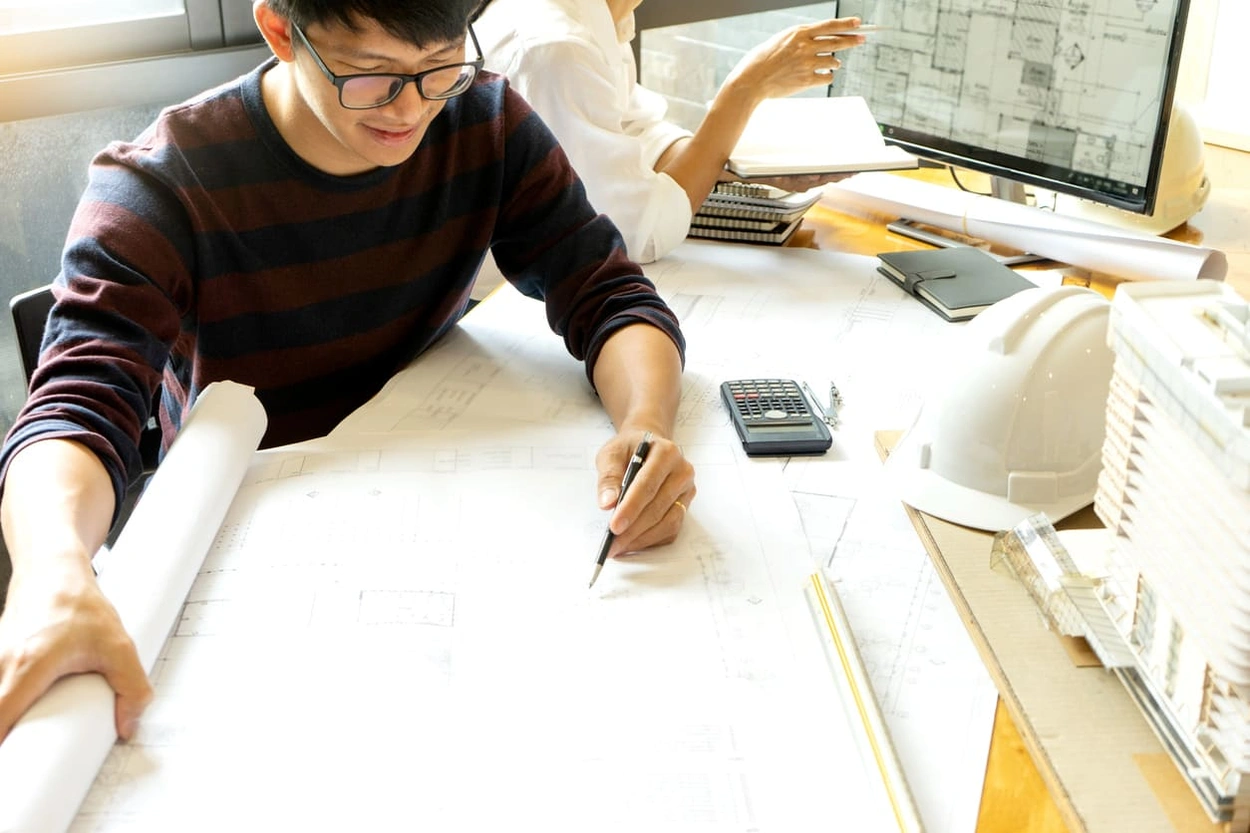
The construction industry has lagged behind other sectors in using technology to improve productivity. The ongoing need to balance time, cost, and quality makes minimising cost overruns, avoiding rework, and eliminating poor quality difficult. Like many countries, the Philippines faces several challenges as the government attempts to modernise its construction industry.
The construction industry needs diverse but dependent trades to deliver projects. This fragmentation presents obstacles to communication and collaboration before construction begins. It isn't until the project is underway that clashes in schedule or implementation become known. Late detection can result in significant delays and cost overruns.
Although BIM technology can help alleviate some constraints, it also introduces challenges. Key obstacles to its adoption include:
- Initial Investment. Purchasing BIM construction software can be expensive. Even opting for subscription-based software can cost over ₱100,000.00 for an annual license. Several governments are finding ways to assist private and public projects in using the new technology. Others are mandating its use through their building codes.
- Trained Personnel. The technology requires training, but few educational facilities in the Philippines offer it. Companies or individuals must locate and pay for training. Access to more training would ensure that the country had the resources to implement BIM successfully.
- Market Penetration. BIM companies have not achieved market penetration. Governments may not be aware of the software's time-saving capabilities, and architects and engineers may struggle to implement advanced features.
The learning curve, the cost, and market acceptance are critical obstacles to widespread implementation.
What Is the Future of BIM in the Philippines?
BIM technology could help the Philippines as it digitalises the construction industry. For example, BIM could be deployed in the following ways.
- Complex Infrastructure Projects. BIM construction software can simplify the complex communication channels of large infrastructure projects, making it easier to connect to other organisations.
- Mechanical, Electrical, and Plumbing MEP). Modelling software allows architects and engineers to view complex subsystems to ensure worker safety and maximise material usage.
- High-Rise Plans. When designers and builders can see the layers that go into a high-rise building before the project begins, they can adjust the plans to ensure compliance with building codes. They can then implement modifications to avoid rework.
- Facility Management. Using BIM throughout a building's lifecycle can help owners maximise their profitability as they consider improvements or changes to an existing structure.
Worldwide, the BIM market is expected to reach almost $12 billion by 2027, an 11.1% increase in compound annual growth rate (CAGR). The ongoing interest in BIM technology and its ability to digitise the construction process will continue to drive technology adoption. For the Philippines, BIM software is a tool that can ensure the country reaches its infrastructure goals.
For BIM-generated plans to be accessible, printed copies may be required. Whether submitting plans or viewing at remote locations, BIM systems need large format printers to generate hard copies. HP's large format printers ensure your well-crafted BIM model is reproduced accurately. Reach out to HP for DesignJet printers, reliable customer support, and maintenance services.
** Sources:**
You Might Also Like
Why Blueprints Beat Screens for On-Site Work
Showcasing Sustainability to Win Green Projects
How a Fast Plotter Helps Filipino AECs Win More Contracts
How HP Plotters Reduce Printing Costs

Differentiating Services With High‑Quality Presentation Prints
Architectural Board Printing: Best Practices for Professional Results

How to Print Site Context Diagrams for Presentation Boards

How to Print With Lineweight Control for Structural Drawings
A0 Size Printers: Best Models and When to Use Them
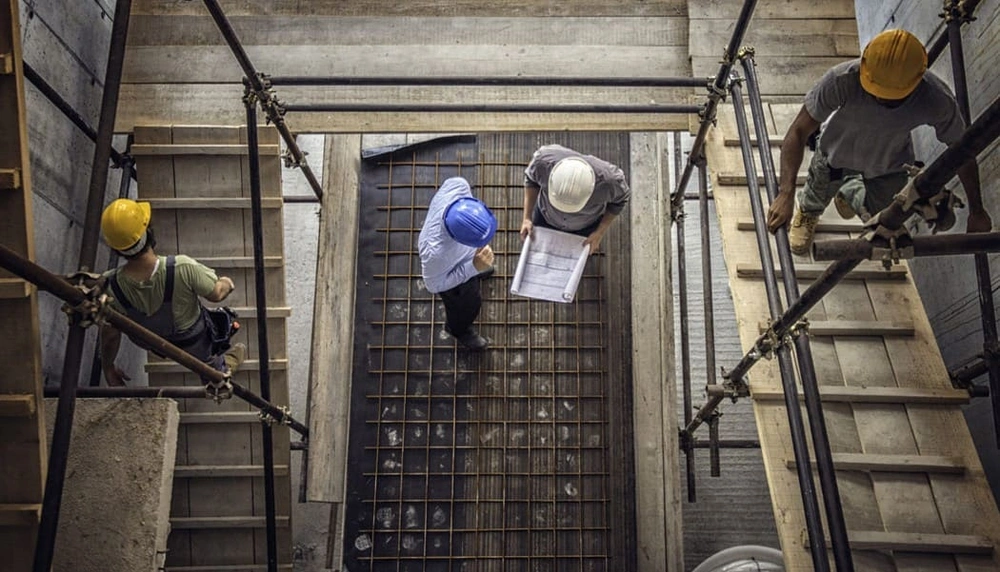
How Large Format Plotters Help Reduce Rework on Construction Sites

Difference Between Digital Printing Posters and Large Format: What You Need to Know
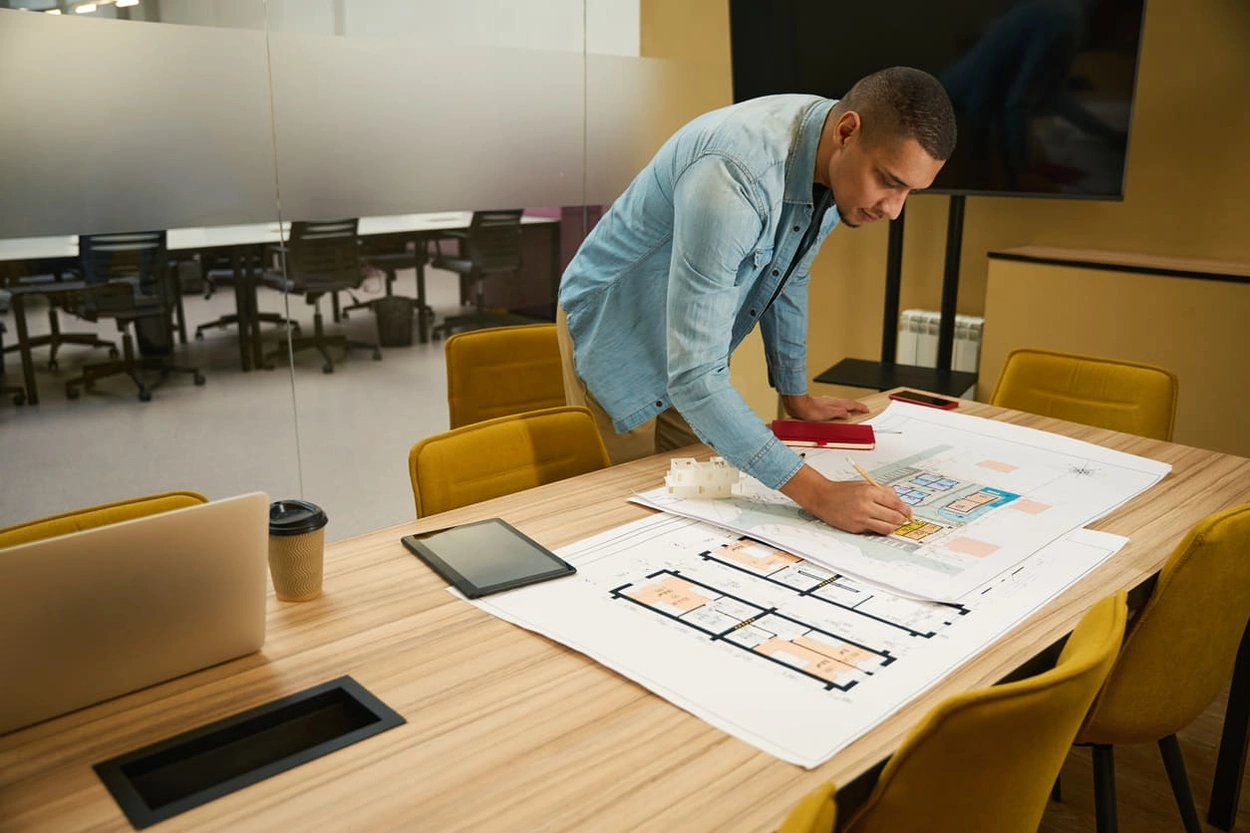
3 Paper Waste Reduction Strategies in Large Format Printing

Top 5 Printers for Artists: High-Quality Prints for Fine Art

What Is a Wide Format Printer?: A Beginner’s Guide to Large-Scale Printing

Preparing Files for Large Format Printing: A Step-by-Step Guide
Best Printers for Illustration Prints: Top Picks for Artists and Designers
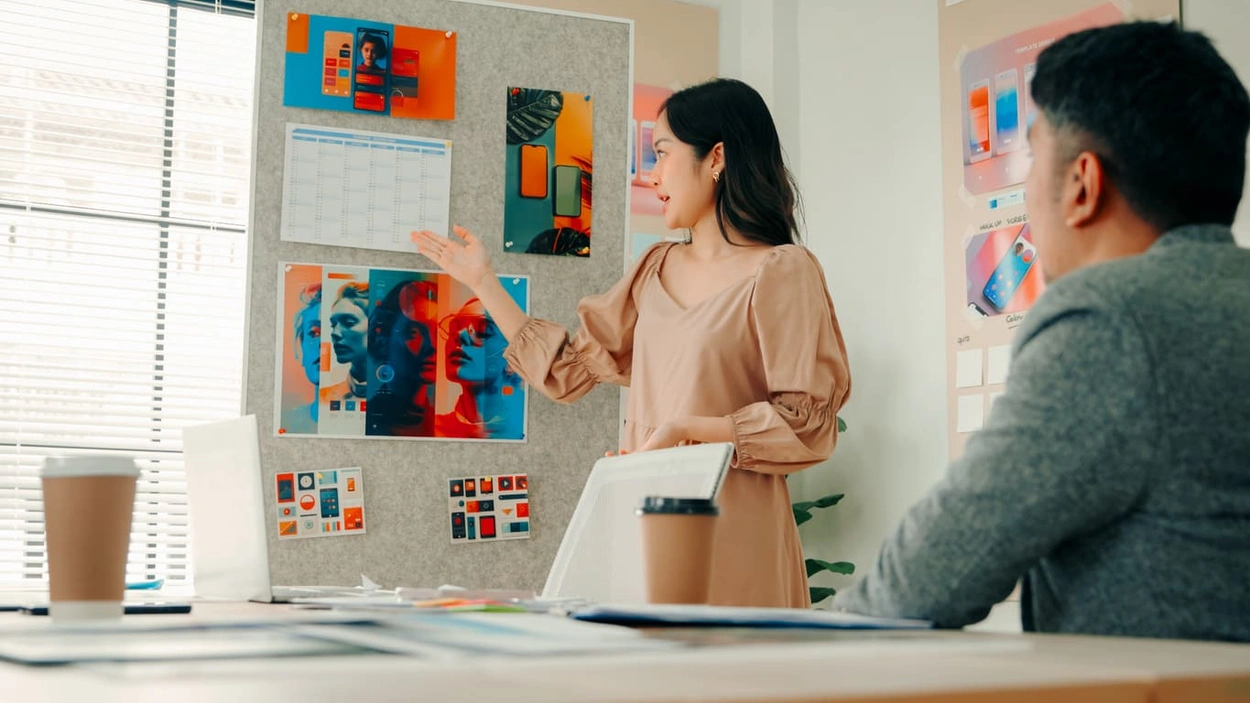
How to Optimise DPI in Photoshop for Large Format Prints

3 Best Practices for Large Document Conversion for Print
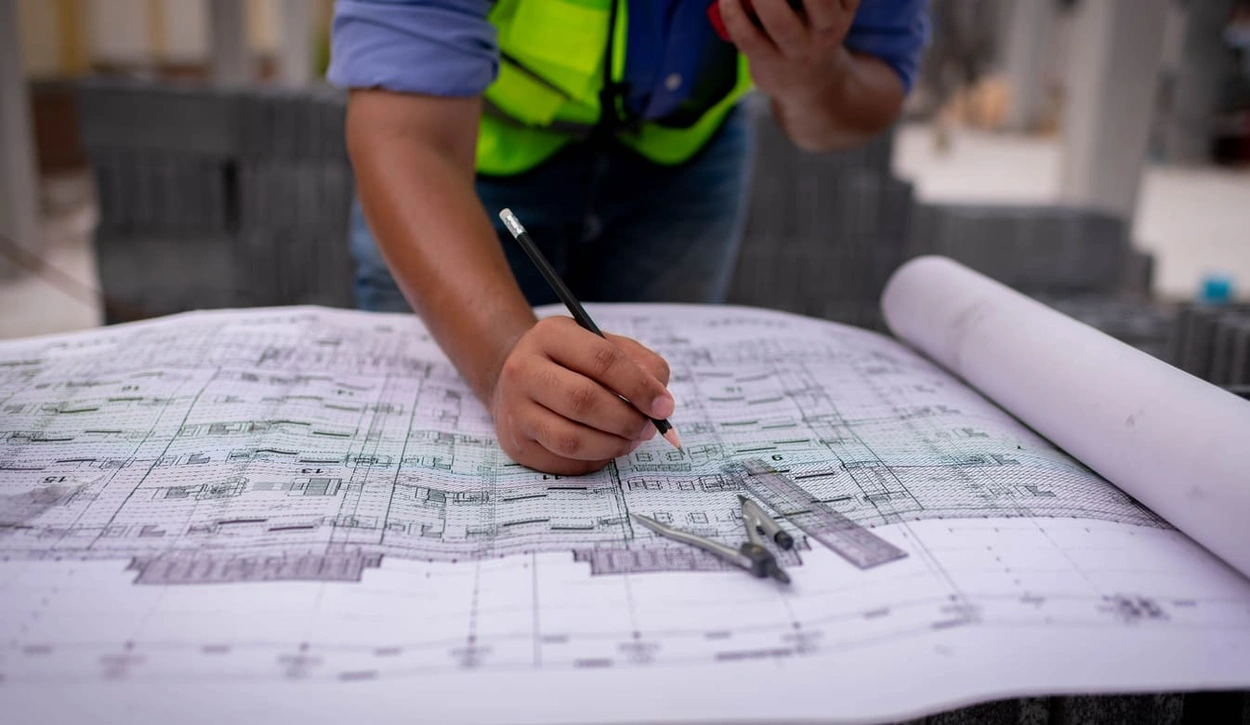
Understanding As-Built Drawings and Why They Matter

3 Ways Large Format Plotters Streamline Construction Submittals
Select Your Country/Region and Language
Close Country/Region Selector Dialog
Europe, Middle East and Africa
- Africa
- Afrique
- België
- Belgique
- Česká republika
- Danmark
- Deutschland
- Eesti
- España
- France
- Hrvatska
- Ireland
- Italia
- Latvija
- Lietuva
- Magyarország
- Middle East
- Nederland
- Nigeria
- Norge
- Österreich
- Polska
- Portugal
- România
- Saudi Arabia
- Slovenija
- Slovensko
- South Africa
- Suisse
- Suomi
- Sverige
- Switzerland
- Türkiye
- United Kingdom
- Ελλάδα
- България
- Казахстан
- Србија
- Україна
- ישראל
- الشرق الأوسط
- المملكة العربية السعودية
Country/Region :
Close Country/Region Selector
SelectedPhilippines
popUpSRBeginingLabelString
HP Worldwide
Select Your Country/Region and Language
Click or use the tab key to select your country
Close Country/Region Selector Dialog
- Africa
- Afrique
- América Central
- Argentina
- Asia Pacific
- Australia
- Bangladesh
- België
- Belgique
- Bolivia
- Brasil
- Canada
- Canada - Français
- Caribbean
- Česká republika
- Chile
- Colombia
- Danmark
- Deutschland
- Ecuador
- Eesti
- España
- France
- Hong Kong SAR
- Hrvatska
- India
- Indonesia
- Ireland
- Italia
- Latvija
- Lietuva
- Magyarország
- Malaysia
- México
- Middle East
- Nederland
- New Zealand
- Nigeria
- Norge
- Österreich
- Pakistan
- Paraguay
- Perú
- Philippines
- Polska
- Portugal
- Puerto Rico
- România
- Saudi Arabia
- Singapore
- Slovenija
- Slovensko
- South Africa
- Sri Lanka
- Suisse
- Suomi
- Sverige
- Switzerland
- Türkiye
- United Kingdom
- United States
- Uruguay
- Venezuela
- Việt Nam
- Ελλάδα
- България
- Казахстан
- Србија
- Україна
- ישראל
- الشرق الأوسط
- المملكة العربية السعودية
- ไทย
- 中华人民共和国
- 臺灣 地區
- 日本
- 香港特別行政區
- 한국
- Recalls |
- Product recycling |
- Accessibility |
- Privacy |
- Terms of use |
- Limited warranty statement |
- Use of cookies |
©2026 HP Development Company, L.P. The information contained herein is subject to change without notice.