Blog
Top Advantages of Smart Buildings and Building Management Systems

Technical Printing
|10 Nov 2022
Smart buildings are the wave of the future. But to capture all the advantages of smart buildings, you need a proper smart building management system. These can range in complexity from a simple smart home hub to a highly advanced system controlling an entire campus.
So, what are the benefits of building management systems? What makes it an essential component in your facility’s management plan? Let's look at the advantages of smart buildings and how to choose the right system for you.
What Are the Advantages of a Smart Building Management System?
A smart building management system combines all of a building's technological features and one of the benefits of building management systems ensuring they work together. Smart building controls automate devices that range from lighting to HVAC systems to access control.
The advantages of smart building management systems include the following:
- Reduced costs. By controlling energy use, the systems lead to direct savings, which is one of the major benefits of building management system strategies for reducing operational costs. For example, a system that dims or turns off the lights when the last person leaves the room means that you are not paying to light, say, a conference room that is not in use.
- Improved energy efficiency. Smart buildings help you control the energy you use, and the advantages of building management systems range from turning off lights to optimizing HVAC usage through smart thermostats.
- Improved security. Smart access control systems enhance security, one of the key advantages of building management systems, ensuring visitors stay out of sensitive areas without needing access cards.
- Improved traffic control for buildings that are open to the public. Smart systems can include occupancy monitoring, and one of the advantages of building management systems is directing people to available parking or shorter lines.
- Improved maintenance efficiency. For example, a smart building can detect if a room's temperature is off, and one of the benefits of building management systems is automatically contacting maintenance to address climate control issues.
There are many other advantages of smart buildings. But the primary one is saving energy, with the side benefits of saving money and looking good in public relations. This all requires using and understanding the right systems and platform for your specific needs and use case.
What Is Smart Building Automation?
We've already touched on what makes a home or building smart. The basic definition of a smart building is any structure that uses automated processes to control building operations.
A building with an advanced smart building management system might be called an "intelligent building," but the concept is essentially the same. Automation is at the heart of what makes a building smart. This starts with sensors that detect the presence of a person and turn the lights on when somebody enters the room. But smart building technology goes well beyond this simple, older technology.
Advanced Capabilities
3 Vital Advantages of Smart Buildings

For the people who work in them and own them, smart buildings have three main, vital benefits:
1. Maintaining a Clean, Healthy, and Safe Environment
2. Providing Holistic Data Analysis
3. Providing IoT Sensors for Building Owners
Download our eBook now and discover how innovation is streamlining workflows, producing prints of unmatched quality and increasing IT efficiency like never before.
Download eBook nowYou Might Also Like
Why Blueprints Beat Screens for On-Site Work
Showcasing Sustainability to Win Green Projects
How a Fast Plotter Helps Filipino AECs Win More Contracts

How HP Plotters Reduce Printing Costs

Differentiating Services With High‑Quality Presentation Prints

Architectural Board Printing: Best Practices for Professional Results

How to Print Site Context Diagrams for Presentation Boards

How to Print With Lineweight Control for Structural Drawings

A0 Size Printers: Best Models and When to Use Them
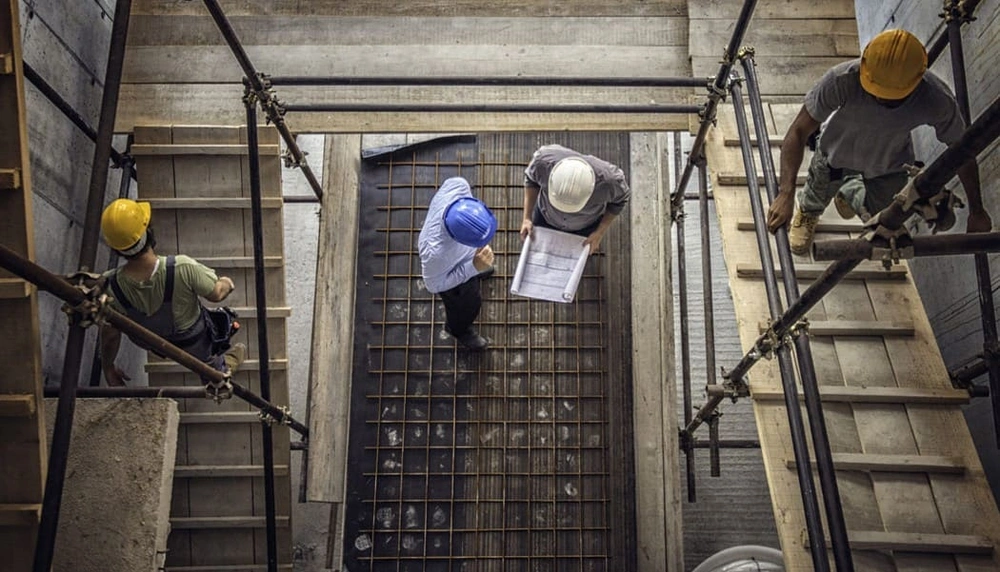
How Large Format Plotters Help Reduce Rework on Construction Sites

Difference Between Digital Printing Posters and Large Format: What You Need to Know

3 Paper Waste Reduction Strategies in Large Format Printing

Top 5 Printers for Artists: High-Quality Prints for Fine Art

What Is a Wide Format Printer?: A Beginner’s Guide to Large-Scale Printing

Preparing Files for Large Format Printing: A Step-by-Step Guide
Best Printers for Illustration Prints: Top Picks for Artists and Designers

How to Optimise DPI in Photoshop for Large Format Prints

3 Best Practices for Large Document Conversion for Print
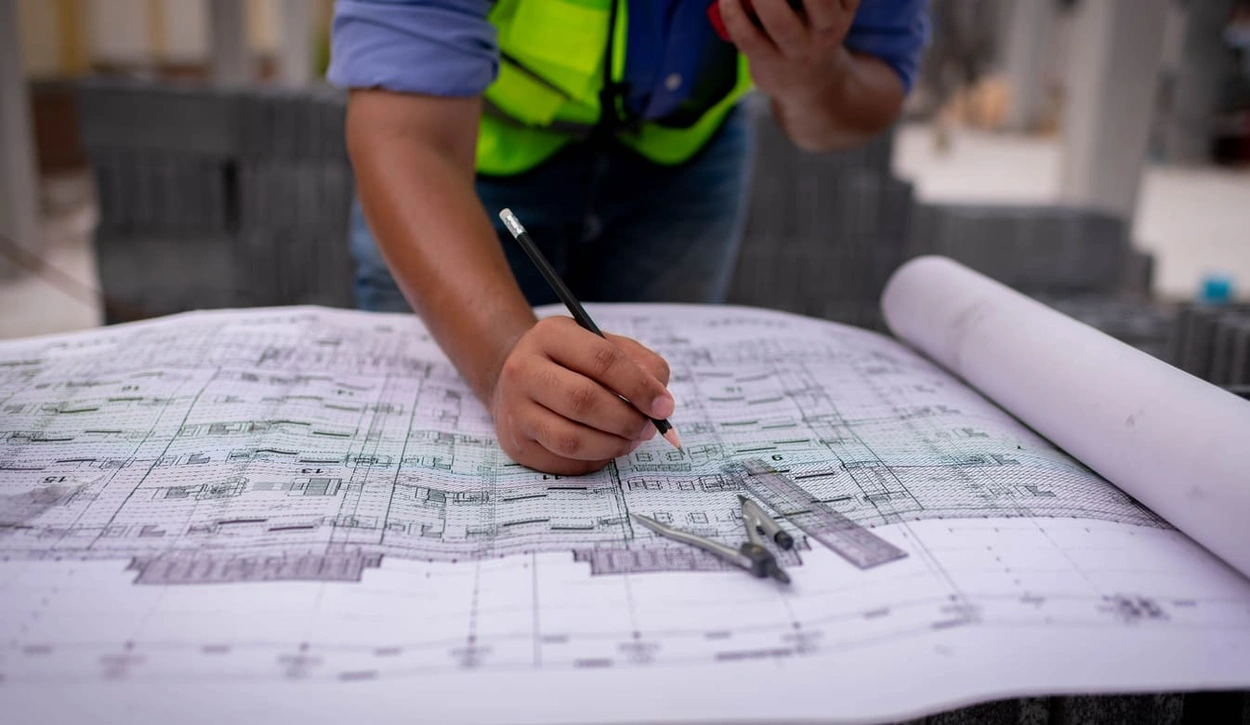
Understanding As-Built Drawings and Why They Matter

3 Ways Large Format Plotters Streamline Construction Submittals
Select Your Country/Region and Language
Close Country/Region Selector Dialog
Europe, Middle East and Africa
- Africa
- Afrique
- België
- Belgique
- Česká republika
- Danmark
- Deutschland
- Eesti
- España
- France
- Hrvatska
- Ireland
- Italia
- Latvija
- Lietuva
- Magyarország
- Middle East
- Nederland
- Nigeria
- Norge
- Österreich
- Polska
- Portugal
- România
- Saudi Arabia
- Slovenija
- Slovensko
- South Africa
- Suisse
- Suomi
- Sverige
- Switzerland
- Türkiye
- United Kingdom
- Ελλάδα
- България
- Казахстан
- Србија
- Україна
- ישראל
- الشرق الأوسط
- المملكة العربية السعودية
Country/Region :
Close Country/Region Selector
SelectedPhilippines
popUpSRBeginingLabelString
HP Worldwide
Select Your Country/Region and Language
Click or use the tab key to select your country
Close Country/Region Selector Dialog
- Africa
- Afrique
- América Central
- Argentina
- Asia Pacific
- Australia
- Bangladesh
- België
- Belgique
- Bolivia
- Brasil
- Canada
- Canada - Français
- Caribbean
- Česká republika
- Chile
- Colombia
- Danmark
- Deutschland
- Ecuador
- Eesti
- España
- France
- Hong Kong SAR
- Hrvatska
- India
- Indonesia
- Ireland
- Italia
- Latvija
- Lietuva
- Magyarország
- Malaysia
- México
- Middle East
- Nederland
- New Zealand
- Nigeria
- Norge
- Österreich
- Pakistan
- Paraguay
- Perú
- Philippines
- Polska
- Portugal
- Puerto Rico
- România
- Saudi Arabia
- Singapore
- Slovenija
- Slovensko
- South Africa
- Sri Lanka
- Suisse
- Suomi
- Sverige
- Switzerland
- Türkiye
- United Kingdom
- United States
- Uruguay
- Venezuela
- Việt Nam
- Ελλάδα
- България
- Казахстан
- Србија
- Україна
- ישראל
- الشرق الأوسط
- المملكة العربية السعودية
- ไทย
- 中华人民共和国
- 臺灣 地區
- 日本
- 香港特別行政區
- 한국
- Recalls |
- Product recycling |
- Accessibility |
- Privacy |
- Terms of use |
- Limited warranty statement |
- Use of cookies |
©2026 HP Development Company, L.P. The information contained herein is subject to change without notice.